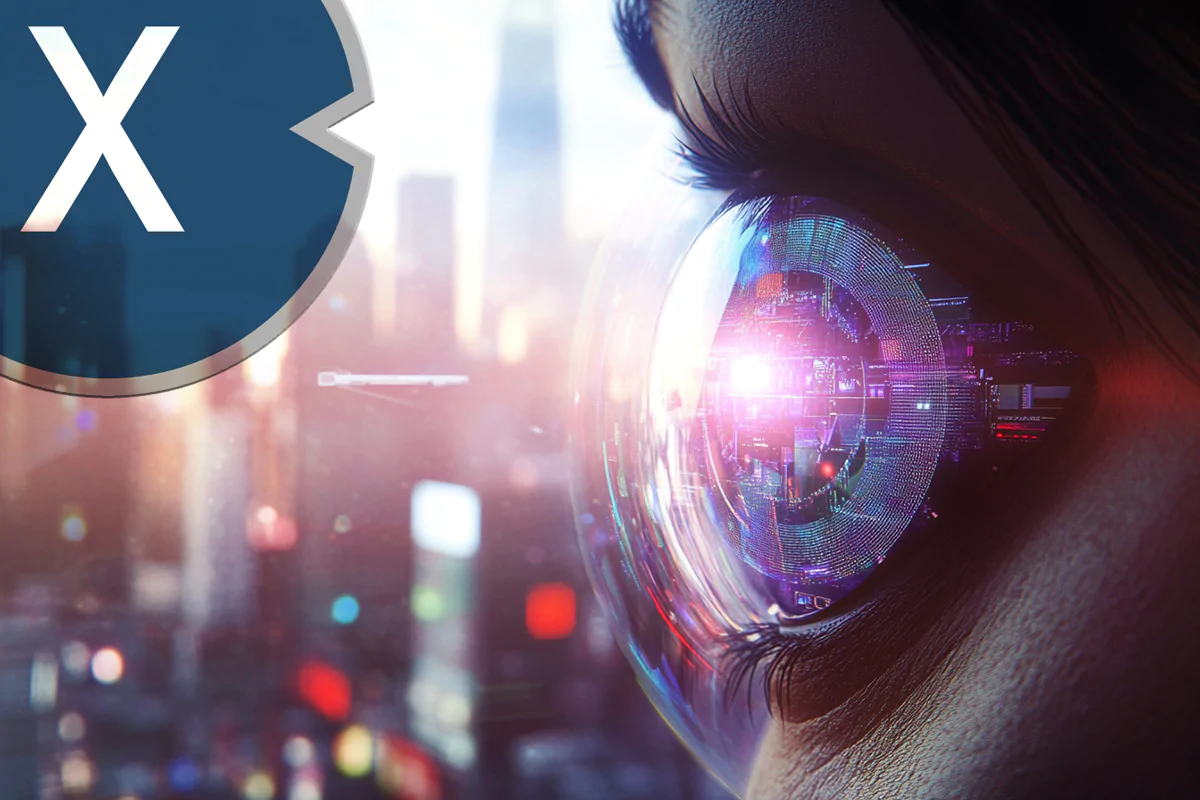
The dream is easy to understand: a normal-looking lens that lets you read directions, see a patient’s vital signs, translate a sign, or sharpen weak sight without a phone in your hand. Smart Contact Lens development is moving toward that future, but the honest answer is less flashy than the pitch. In the U.S., the path is likely to run through health care first, then workplace tools, then consumer AR. That matters because anything sitting on the eye is not treated like a phone accessory. It has to be safe, fitted, powered, cleaned, tested, and approved with far more care. About 45 million people in the U.S. wear contact lenses, and the CDC warns that poor lens care can raise the risk of serious eye infections. That single fact explains why progress feels slow. The tech is getting closer. The eye is not a forgiving place to rush. For readers tracking wearable technology coverage, the real story is not a sci-fi lens replacing your phone next year. It is a careful race to make augmented reality vision useful without making the eye pay the price.
The Real Race Is Between Comfort, Power, and Safety
A lens has almost no room for mistakes. Glasses can hide batteries in the arms. A headset can carry fans, chips, speakers, and thick optics. A lens has to sit on a wet, moving, sensitive surface all day while your eyelids sweep across it thousands of times. That is why AR contact lenses are not moving at the same pace as smart glasses. The hard part is not drawing a tiny display. The hard part is doing it without heat, bulk, dryness, blur, or a doctor telling the user to take it out.
Why a tiny display is harder than it sounds
A wearable eye display has to place information where your eye can use it, not where an engineer can fit it. That creates an odd problem. The lens moves with the eye, but the digital image has to feel steady. If a street arrow jumps when you blink or slides when your lens rotates, the whole promise falls apart.
Mojo Vision proved that a display-based contact-lens prototype could be worn and tested, then the company shifted away from the lens product and toward microLED display work after funding pressure. That pivot was not failure in the childish sense. It showed something more useful: the display parts were worth keeping, but the full product was not ready for broad release.
The non-obvious lesson is that the first winners may not be the companies that build a full lens. They may be the companies that solve one piece of the stack: microdisplays, power transfer, optical patterns, or lens materials. Consumer tech often crowns the shiny device. Medical tech rewards the hidden part that does not fail.
The eye punishes lazy design
A phone can get warm. A lens cannot. A smartwatch can leave a red mark. A lens can scratch the cornea, trap debris, or dry the tear film. The CDC links poor contact lens wear and care with infections such as microbial keratitis, and the FDA treats contact lenses as medical devices, not costume gadgets.
That medical reality changes the business plan. A company cannot sell augmented reality vision the way it sells earbuds. Eye exams, prescriptions, fitting, replacement cycles, hygiene, and reporting of side effects all matter. A product that works for twenty minutes on a trade-show model still has a long road before it can sit in a nurse’s eye during a twelve-hour shift.
The better design target may be shorter wear windows at first. Think surgery support, emergency response, warehouse picking, or low-vision assistance. Those uses can justify training, fitting, cleaning, and higher cost. The average American will not accept daily eye risk for floating text messages.
Why Smart Contact Lens Progress Is Slower Than the Demos Suggest
The public keeps asking one question: when will the lens replace the phone? The better question is: which problem is painful enough to justify putting electronics on the eye? That changes the answer. A runner wanting pace data has many safer options. A person with central vision loss who wants to read a menu may accept more setup. This is why medical and assistive uses are closer to the front of the line than social media alerts.
Medical use may arrive before consumer AR
Innovega’s public work points in this direction. Its current Gen I system focuses on smart glasses for people with vision loss, while its Gen II plan combines glasses with proprietary contact lens technology. The company describes adjustable magnification, brightness, contrast, clarity, and image position as part of its approach for low-vision users.
That may sound less exciting than a lens that shows your texts. It is more believable. A person with macular degeneration does not need a cartoonish digital world. They need a face, a street sign, a grocery label, or a theater stage brought into usable view. That is a cleaner use case for a wearable eye display.
There is also a U.S. market reason. Medical need creates a path through eye-care professionals. Consumer desire creates a path through hype, returns, lawsuits, and angry users with dry eyes. One path is slower at the start but steadier after trust forms.
The Google glucose lesson still matters
The old glucose-sensing contact project remains a warning sign for the whole field. Google announced a lens concept in 2014 to measure glucose in tears, but Verily and Alcon later stopped that work after clinical results did not show enough consistency between tear glucose and blood glucose for a medical device.
That story matters because it shows the gap between a clever sensor and a dependable health product. Tears are messy. The eye changes with dryness, irritation, time of day, medication, allergies, and environment. A lens can collect data, yet the data may still be too unstable to guide care.
The same warning applies to augmented reality vision. A display can work. Sensors can work. Wireless charging can work. None of that proves the full product works during a sweaty commute, a dusty job site, or a dry winter office in Chicago. The eye is not a lab bench.
What Current Prototypes Tell Us About the Next Stage
The field is no longer built only on patents and concept art. Companies are showing pieces of working systems: pressure sensing, wireless power, optical patterns, health tracking, and tiny displays. XPANCEO, for example, showed multiple lens prototypes at MWC 2025, including an intraocular-pressure sensor demo read through a phone app. That is not the same as finished consumer AR, but it is a meaningful step toward testable building blocks.
Sensors may beat screens to market
A sensor lens has a narrower job than an AR display. It does not need to place bright, stable graphics into your field of view. It can measure pressure, hydration, or another eye-related signal, then send that data to a nearby device. That makes it a more likely early product category.
This is where AR contact lenses may take an indirect route. Before a lens shows maps and messages, it may help monitor glaucoma risk, support clinical testing, or assist a specialist with ongoing eye data. Those uses are less glamorous, but they build the trust layer that consumer products need later.
There is a practical example here. A patient at risk for pressure changes may benefit from repeat readings outside a clinic. A doctor does not need a floating movie screen for that. The lens needs fit, comfort, stable measurement, and data that can be checked against standard tools.
Companion devices will do much of the work
The all-in-one lens is a lovely story and a poor first product. Near-term systems will likely depend on a phone, glasses, earbud, necklace, or pocket unit. That companion device can handle computing, wireless links, and some power needs while the lens handles optics or sensing.
This is not a weakness. It is a sane split. Your eye should not carry the full burden of a computer when your pocket already can. The best early augmented reality vision may feel less like a magic lens and more like a quiet team of devices that share the load.
That also changes the design of future augmented reality devices. The lens does not have to do everything. It has to do the one thing glasses struggle with: place optical function close to the eye in a way that feels natural, light, and always aligned with your view.
The U.S. Path Will Be Built Through Trust, Not Hype
American consumers have already seen several waves of wearable promises. Smart glasses, fitness bands, VR headsets, AI pins, and health sensors all arrived with bold claims. Some stayed. Some faded. Contact-lens computing faces a higher trust bar because the product touches sight itself. People may forgive a buggy watch. They will not forgive eye pain.
FDA rules will shape the product
The FDA’s contact lens guidance makes the baseline clear: contact lenses require proper professional care, and even decorative lenses need prescriptions. A digital lens would sit under that same safety culture, with extra questions about electronics, heat, materials, radio signals, cleaning, and long-term wear.
That means the first U.S. launch will probably not look like a phone launch. It may start with trials, limited clinics, trained users, and strict wear rules. A low-vision patient or industrial user may get a more controlled version before teenagers see anything near a consumer model.
The counterintuitive upside is that regulation may help the category. It slows weak products, but it also protects serious companies from cheap copies that could damage trust. One ugly infection story from a careless device could set the whole field back years.
Privacy will matter because the eye is intimate
A camera on glasses already makes people uneasy. A lens raises the feeling another level. Even if the first models do not record video, the public will worry about eye tracking, attention data, biometric signals, and invisible capture. That concern will not be solved with a long privacy policy.
Workplaces will face this first. A warehouse might want hands-free picking instructions. A hospital might want patient data in view. A repair crew might want diagrams while working. Each use sounds helpful until workers ask who sees their gaze data, how long it is stored, and whether mistakes become performance scores.
The product that wins may be the one that shows less. A calm arrow. A warning. A magnified label. A contrast boost. The smartest augmented reality vision may avoid stuffing the eye with dashboards. Restraint could become the feature users trust most.
Conclusion
The contact lens is one of the most tempting places to put computing because it already belongs in daily life for millions of Americans. That does not make it easy. It makes the standard higher. A phone can be annoying and still survive. A lens has to be comfortable, clean, safe, useful, and worth a doctor’s approval.
The future of Smart Contact Lens design will likely begin with people who have a clear need: low-vision users, clinical patients, specialists, first responders, and trained workers. Consumer entertainment can wait. That is not a dull outcome. It is the path that gives the technology a real chance.
The next few years should be judged by proof, not promises: longer safe wear, better fitting, repeatable sensor data, stable visuals, and honest clinical results. When those pieces hold together, AR contact lenses can become more than a demo. Until then, the best move is to watch the medical edge first, because that is where the future will earn permission to reach everyone else.
Frequently Asked Questions
How close are AR contact lenses to being sold in the U.S.?
They are not close to broad consumer release. The more likely path is medical or workplace testing before any everyday retail product. U.S. approval will depend on safety, comfort, fitting, data accuracy, and clear proof that the lens helps more than it risks.
Can digital contact lenses replace smart glasses?
Not soon. Glasses can hold larger batteries, processors, cameras, and displays. Lenses may handle certain optical or sensing tasks better, but early systems will likely work with phones or glasses instead of replacing them outright.
Are electronic lenses safe for daily wear?
No broad answer exists yet because products are still in development. Any safe version would need eye-care fitting, material testing, heat control, hygiene rules, and medical review. Regular contact lenses already carry risks when users skip cleaning or wear them too long.
What is the most likely first use for this technology?
Low-vision support and eye-health sensing look more likely than consumer social apps. These uses have clearer value, stronger medical reasons, and a better fit with doctor-led testing. A lens that helps someone read or navigate has a stronger case than one showing notifications.
Why did earlier glucose contact lens projects struggle?
Tear readings did not match blood glucose well enough for medical use. The eye is a difficult testing environment because tear chemistry changes often. That history showed that a clever sensor is not enough. The data must be dependable for real care.
Will a wearable eye display need a battery?
Some form of power is needed, but it may not sit fully inside the lens. Early systems may use wireless power, tiny storage, or a nearby companion device. Keeping heat and weight away from the eye will matter as much as battery life.
Could these lenses help people with macular degeneration?
They may help in the future if paired with magnification, contrast control, and image positioning. Current assistive systems are moving through glasses first, with contact-lens combinations planned by some companies. The goal is not curing disease, but improving usable sight.
What should buyers watch for before trusting a product claim?
Look for clinical testing, eye-care involvement, comfort data, approval status, and clear limits. Be wary of claims that promise phone replacement, medical tracking, and all-day wear without published evidence. The eye deserves proof before excitement.