
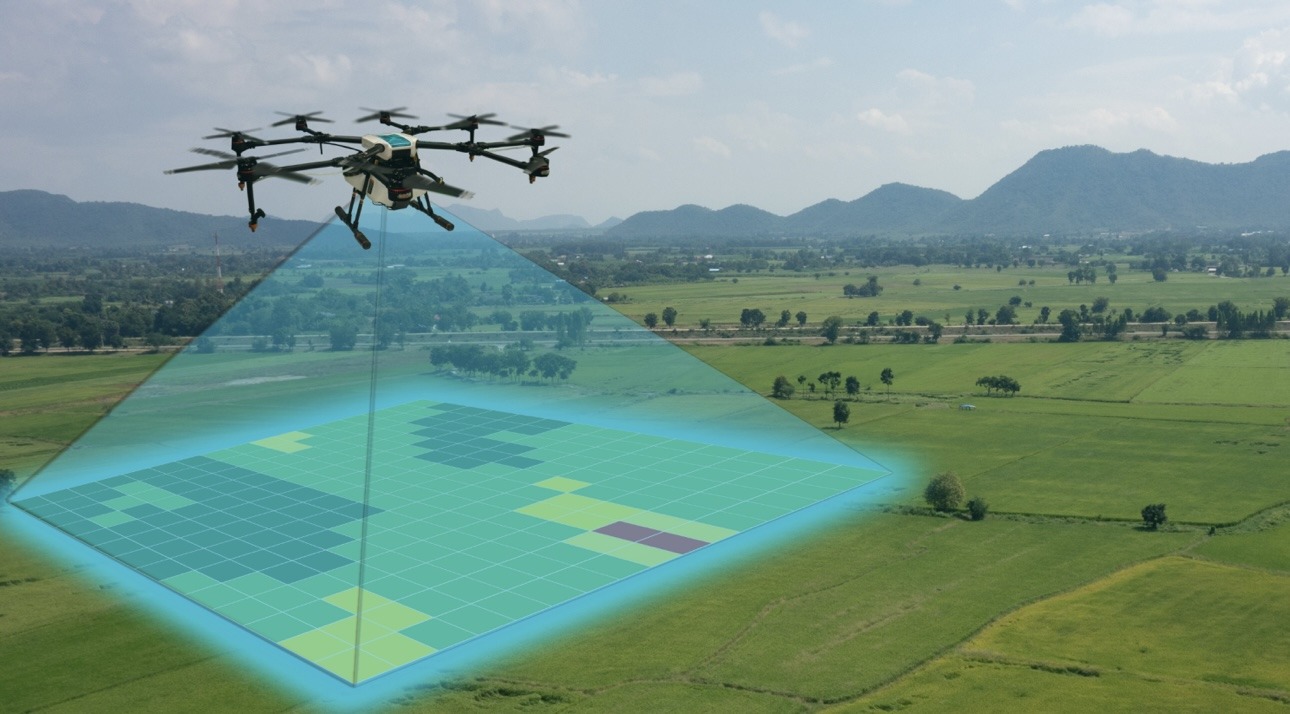
A farm field and a collapsed building do not look like cousins, yet the same machine idea keeps showing up in both places. Swarm Robotics Technology is the use of many small robots that share work, react to local conditions, and keep going when one unit fails. In agriculture, that can mean crop scouting, weed mapping, micro-spraying, soil checks, and livestock monitoring. In rescue work, it can mean fast mapping, heat detection, debris inspection, and safer first looks inside places people should not enter yet. For U.S. farmers, fire crews, sheriffs, emergency managers, and tech buyers, the question is not whether robot teams sound impressive. The question is where they beat one machine, one drone, or one tired human crew.
The honest answer is practical. Small robot teams win when land is wide, time is short, and the risk is scattered across many points. That is why emerging technology stories now pay closer attention to machine teams that act less like lone gadgets and more like a field crew with radios. The promise is not magic. It is coverage, redundancy, and speed.
Why Robot Swarms Beat One Big Machine in Messy Places
The old dream of automation was often a giant machine that did one job better than a person. That idea works in a factory, where the floor is flat and the lighting behaves. Fields, forests, and disaster sites do not behave. Mud changes. Smoke moves. Corn rows bend. Concrete shifts after an aftershock. One large robot can become expensive, slow, and fragile in that kind of world. A robot team takes a different bet: send several smaller units, let each one handle a slice, and keep the mission alive even when the plan gets ugly. It is less heroic than the lone machine fantasy. It is also closer to how hard work gets done. One farmer walking a boundary, one deputy checking a ditch, and one volunteer calling in coordinates already form a human swarm. Robot teams borrow that common-sense pattern and make it faster.
Small Machines Make Better Field Scouts
A single scouting machine on a Midwestern soybean farm has to cover hundreds or thousands of acres before the damage spreads. That can work if the job is broad and simple. It fails when the problem is patchy. Aphids do not announce themselves across a whole field at once. Water stress can sit in a low corner. Herbicide drift can show as a thin edge along one boundary.
A group of small aerial and ground robots can split that work. One drone checks plant color from above. A rover moves between rows where the canopy hides leaf damage. Another unit returns to a hot spot after lunch when sunlight changes the camera view. You get a moving picture, not a postcard.
That matters because farm decisions happen in windows. Spray too early and you waste money. Spray too late and the crop pays. Agricultural robotics works best when it helps you act on field variation instead of treating every acre like it has the same story. USDA-linked research has pointed to the same gap: farm data can describe plants and animals at fine detail, while many commercial robots still have limited decision-making ability and mostly follow set paths.
Why Failure Can Make the Team Smarter
The strange strength of a robot team is that losing one unit does not have to end the job. On a rescue site, that can mean a cheap ground crawler gets stuck under a slab while two aerial units keep mapping exits. On a farm, it can mean one rover loses traction in wet clay while the rest finish scouting the drier side. You would rather lose one small helper than park a six-figure machine beside a ditch.
This is also where the hype needs a leash. A swarm is not smart because every unit has a huge brain. It is smart because the job is split cleanly enough that local choices add up. Ants do not need a meeting to find food. Robots, sadly, still need engineers, batteries, radios, permissions, and a human who knows when the map is lying.
The non-obvious part is that the best robot team may look unimpressive up close. It may move slowly. It may carry small sensors. It may do one narrow task. Yet if ten modest units find stress patterns before a farmer sees yellowing leaves from the road, the system has done something a bigger machine missed. That is the deeper value of multi-robot systems: not drama, but persistence.
Where Swarm Robotics Technology Actually Fits on U.S. Farms
Farmers do not buy science projects. They buy time, yield protection, labor relief, and fewer bad surprises. That is why farm use has to start with jobs that already hurt: scouting, weed control, spraying accuracy, orchard checks, soil sampling, and animal movement. The strongest case is not replacing the farmer. It is giving the farmer more eyes before the day’s decision is locked in. A grower who finds a disease pocket two days sooner may save more money than one who owns a flashy robot that performs well only during a farm show. Useful beats dramatic. That matters in U.S. agriculture because the pain is rarely abstract. It shows up as missed labor, high input costs, heat stress, water limits, and a short season that does not pause while a new tool is being calibrated.
Why Agricultural Robotics Works Best in Narrow Field Jobs
A California almond grower does not need a robot team that “does farming.” That phrase is too wide to mean anything. The grower needs bloom checks, water stress notes, pest pressure signs, equipment-safe paths, and maybe a way to flag blocked emitters before a hot week. A berry grower in Oregon needs gentle movement through rows. A corn grower in Iowa may care more about stand counts and weed escapes after a wet spring.
Narrow jobs are where agricultural robotics earns trust. A small rover that follows rows and records plant-level images has a clearer mission than a machine sold as a whole-farm brain. Drones already play a role in crop monitoring, field inspection, and related food-system checks in smart farming research, but ground robots can see under leaves and inside rows where aircraft miss detail.
There is a counterintuitive lesson here. The farm robot that changes the most decisions may not be the one doing the loudest physical work. A machine that kills weeds looks more exciting than one that counts weak plants. Yet better scouting can prevent the wrong spray, the wrong irrigation call, or the wrong harvest timing. Good information is a machine action, too.
How Multi-Robot Systems Change the Farm Manager’s Day
A farm manager does not need another dashboard that becomes homework. The value of multi-robot systems is felt when the morning meeting changes. Instead of asking, “Did anyone check the west field?” the manager sees flagged zones, confidence levels, battery status, and a short list of places worth sending a person. Two drones might fly field edges after sunrise while three small rovers move through marked rows. A central map shows gaps, not every photo.
The manager still decides what to do. The robots narrow the search. This is where adoption in the United States will likely move county by county, crop by crop. Specialty crops may move faster because labor pain is sharper and plant value per acre is higher. Row crops may wait for systems that can survive dust, long days, and repair needs during short seasons. For related planning, a farm operator could pair this topic with a precision farming technology guide before pricing any robot fleet.
The hard truth is that farms punish fragile tools. Dust gets into housings. Mud cakes wheels. GPS fades near tree lines. A robot that works in a demo plot can look foolish after a thunderstorm. The winning systems will be the ones local mechanics can understand, not the ones that need a PhD every time a sensor bracket bends.
How Robot Teams Enter Disaster Zones Before Rescuers Can
Search work has a cruel clock. The first hour after a tornado, flood, building collapse, or wildfire can be full of bad information. Roads are blocked. Cell service drops. People call from places they cannot describe. Rescuers must move fast, but walking into unstable debris or smoke can create more victims. Robot teams offer a first layer of reach before human entry. They do not choose who gets rescued. They help incident commanders see where the next safe move may be. Aerial and ground units can also keep searching while people rotate, refuel trucks, or wait for a structural specialist. That steady coverage can calm a chaotic scene.
What Search and Rescue Drones Can Do Before Humans Enter
Search and rescue drones are already useful because they give command staff a view that ground teams lack. A team of them can do more than take pretty aerial shots. One can map a neighborhood after a hurricane surge. Another can scan rooflines. Another can check a tree line for heat signatures after a child goes missing. The power comes from dividing the search area and feeding one shared picture.
In Florida after a major storm, a drone team could check flooded streets while ground crews stage boats. In Colorado, aerial units could map a wildfire edge before crews drive into smoke. In Texas hill country, search and rescue drones could scan river bends after a flash flood, then pass coordinates to deputies and volunteers.
Regulation sits beside every use. FAA guidance for public safety agencies exists because police, fire, and rescue teams need to understand safe drone operations and their authority before they fly into shared airspace. For many non-government drone uses, Part 107 rules shape what is allowed, including conditions for night operations and flights over people or moving vehicles.
Why Ground Bots Matter After the Drone View Ends
A drone can see the roof. It cannot feel the void under a concrete slab. It cannot roll a small camera through a pipe opening. It cannot test whether a hallway is passable under dangling wire. That is where ground robots matter, especially after the broad aerial view has already found the hot zones.
NIST’s work on emergency response robots focuses on measurable performance, including mobility, sensing, endurance, radio communication, safety, and reliability. That is a plain lesson for buyers: rescue robots should be judged by tasks, not by showroom videos. A robot that climbs rubble but loses signal behind rebar may fail at the exact moment it matters.
The non-obvious rescue insight is that robots do not remove human risk. They move the risk earlier, when commanders still have choices. A fire captain who sees a heat pocket, a blocked stairwell, and a safer side entry before sending a crew has not automated courage. She has bought better judgment under pressure. DARPA’s OFFSET program shows why this coordination problem has drawn serious attention, since the program focused on creating, testing, and bringing swarm tactics into field operations.
The Hard Parts: Rules, Trust, Data, and Field Reality
The easy story says robot teams will cover more ground and save lives. The harder story says they will also create new failure points. Bad maps can mislead responders. Poor data labels can send a farmer to the wrong acre. A radio dead zone can turn a team into scattered hardware. Privacy can become a fight when cameras cross property lines. Liability can become messy when an automated alert sends people into the wrong place. The next stage is not about making robot teams more flashy. It is about making them boring enough to trust.
Why Multi-Robot Systems Need Human Command, Not Full Freedom
The phrase “autonomous swarm” can make buyers imagine machines making every decision alone. That is the wrong target for most U.S. farm and rescue work. The better target is supervised autonomy. The robots handle movement, sensing, and task sharing. The human sets priorities, checks conflict, and stops the mission when reality no longer matches the screen.
Multi-robot systems need command rules that a tired person can understand at 2 a.m. after a tornado callout. Show the search zones. Show which machines are healthy. Show where confidence is low. Show what changed in the last five minutes. Do not bury the operator under blinking dots.
The same idea applies on farms. If a weed-scouting team flags 19 patches, the manager needs rank, area, and likely cause. A map full of colored blobs is not help. It is clutter wearing a lab coat. Good automation should reduce decisions to the ones people are paid to make.
What Buyers Should Test Before Believing a Demo
A clean demo is useful, but it is not proof. Farmers should ask what happens in mud, dust, wind, slope, crop residue, low battery, weak signal, and bad light. Emergency teams should ask what happens behind concrete, inside metal-heavy structures, near power lines, and during poor weather. The test should try to break the system before real life does.
A fair test list is short:
- Can one operator manage the team without losing the mission picture?
- Can the system explain why it flagged a spot?
- Can it keep working after one unit fails?
- Can local staff repair common damage?
- Can the data move into tools the team already uses?
The counterintuitive buying rule is this: the best vendor may be the one that admits limits fastest. A company that says “do not fly here,” “do not trust this sensor in that crop stage,” or “this model needs local training” is giving you usable truth. A company that promises the same result in an Iowa field, a Georgia poultry site, and a collapsed warehouse is selling fog.
For public agencies, this topic also belongs beside a disaster response innovation trends review. Hardware choices should match training budgets, privacy rules, mutual-aid plans, and the local airspace picture. The machine is only one part of the response system.
Conclusion
The future of robot teams will not arrive as one dramatic switch. It will show up as small field tests, rescue drills, county pilots, co-op rentals, and units that prove their worth during ugly conditions. The smartest path for Swarm Robotics Technology is to stay close to real work: find the stressed crop row, map the unsafe hallway, check the flooded street, and give humans a cleaner choice. That is enough.
The mistake is expecting robot teams to replace judgment. In agriculture, the farmer still knows the history of the field. In rescue work, the incident commander still carries the burden of the call. Machines can widen sight and reduce exposure, but they should not become a shield for lazy decisions. Buyers should demand plain results, repairable parts, clean data, and training that survives staff turnover. The first win may be a smaller spray bill or a safer doorway check. That is still a win. Start narrow. Test hard. Then expand only where the system earns trust.
Frequently Asked Questions
How are robot swarms used in agriculture today?
They are mostly used for scouting, crop imaging, weed detection, spraying support, soil checks, and field mapping. The strongest uses are narrow jobs with clear value. Farmers get better results when robots answer one field question well instead of trying to manage the whole farm.
Are search and rescue drones allowed during emergencies in the United States?
They can be used, but teams must follow FAA rules, agency policies, and local incident command procedures. Public safety agencies often plan drone use before disasters so pilots, airspace permissions, safety rules, and data handling are ready when the call comes.
What is the main advantage of using many small robots instead of one large robot?
Many small units can cover scattered areas, share tasks, and keep working after one unit fails. One large robot may carry more power, but it can become a single failure point. The right choice depends on terrain, cost, repair needs, and mission risk.
Can farm robot teams reduce chemical use?
They can help when sensors identify weeds, pests, or disease zones with enough accuracy. Spot treatment can reduce blanket spraying, but only if the detection model fits the crop, season, and local field conditions. Poor detection can waste inputs or miss damage.
What crops benefit most from agricultural robot teams?
High-value crops often benefit first, including berries, orchards, vineyards, vegetables, and greenhouse crops. These systems can also help row crops when the job is scouting, stand counts, weed mapping, or drainage checks. Crop value and labor pressure drive adoption.
Do robot swarms work without internet access?
Some systems can work with local radios, onboard processing, and preloaded maps. Others need cloud links for data processing or coordination. Farms and rescue teams should test weak-signal conditions before buying, because rural fields and disaster zones often have poor coverage.
What should a fire department test before buying rescue robots?
Test mobility, radio range, battery life, heat limits, mapping accuracy, camera quality, operator workload, and repair needs. Training matters as much as hardware. A robot that only the vendor can operate will not help much during a fast mutual-aid response.
Is this technology affordable for small farms?
It depends on the job. Buying a full fleet may be too expensive, but service models, co-op ownership, rentals, and contractor flights can lower entry costs. Small farms should start with one painful task, such as scouting or weed mapping, before paying for more equipment.