A phone is easy to love when it is shiny, fast, and new. The harder question comes two years later, when the battery fades, the screen cracks, or the company stops caring about updates. Fairphone’s ethical smartphone manufacturing model tries to answer that problem from the other end: build the phone so people can keep it longer, repair it easier, and trace more of the materials behind it. For US readers used to Apple, Samsung, Google, and carrier bundles, that sounds both refreshing and awkward. It asks you to judge a device by more than camera tests. It also asks the industry to admit that “upgrade season” has a cost. That is why responsible tech coverage from places like independent digital publishing networks matters: the real story is not only whether Fairphone is morally better. It is whether this kind of phone-making can survive in a market trained to reward speed, status, and locked-down convenience.
The Phone Industry Has a Waste Problem It Tries Not to Name
Most people do not buy a phone thinking about cobalt, solder, factory bonuses, or spare batteries. They think about the monthly payment. They think about photos at a birthday dinner, maps on a highway, and whether the phone still feels quick after the next update. Fairphone enters that ordinary buying moment with an unusual demand: look behind the glass.
Why the upgrade cycle hides the real bill
The modern smartphone business is built on a quiet trick. It makes replacement feel normal before repair feels possible. A cracked screen becomes a reason to upgrade. A weak battery becomes a trade-in. A missing software update becomes a nudge toward a new box.
That rhythm works for companies because repeat sales keep the machine moving. It works for carriers because payment plans soften the sticker shock. It even works for buyers for a while, because a new phone does feel good.
The cost shows up later. More mining. More shipping. More discarded electronics. More perfectly usable parts trapped inside sealed designs. Fairphone’s 2025 impact highlights say the Fairphone Gen. 6 contains more than 50% fair and recycled materials by weight, and the company links longer device life with lower waste and emissions. That is not a small branding footnote. It changes what the phone is meant to do.
The uncomfortable truth about “green” phones
A phone cannot be harmless. That is the first honest line in this debate. Every smartphone needs mined materials, factory labor, energy, packaging, shipping, and years of software work. A cleaner phone is still a product with a footprint.
That makes Fairphone more interesting, not less. The brand does not escape the system. It tries to make the system less dirty, one part at a time.
This is where many US buyers misread the idea. They expect an ethical phone to be perfect, then dismiss it when it is not. That standard is unfair. The better test is whether it makes specific parts of the supply chain less wasteful and easier to improve. A sealed premium phone with recycled packaging may look cleaner in an ad. A repairable device that stays in use longer may do more good in the drawer, the backpack, and the repair shop.
For readers comparing greener gadgets, sustainable tech buying habits can help separate real product design from soft marketing claims.
Where Ethical Smartphone Manufacturing Meets the Mainstream Test
Fairphone does not win by making people feel guilty. Guilt is weak fuel. The company wins only if a buyer can live with the phone each day and not feel punished for caring. That is the hard part, especially in the United States, where phones are tied to carriers, app habits, family messaging, trade-in deals, and brand identity.
What Fairphone changes inside the device
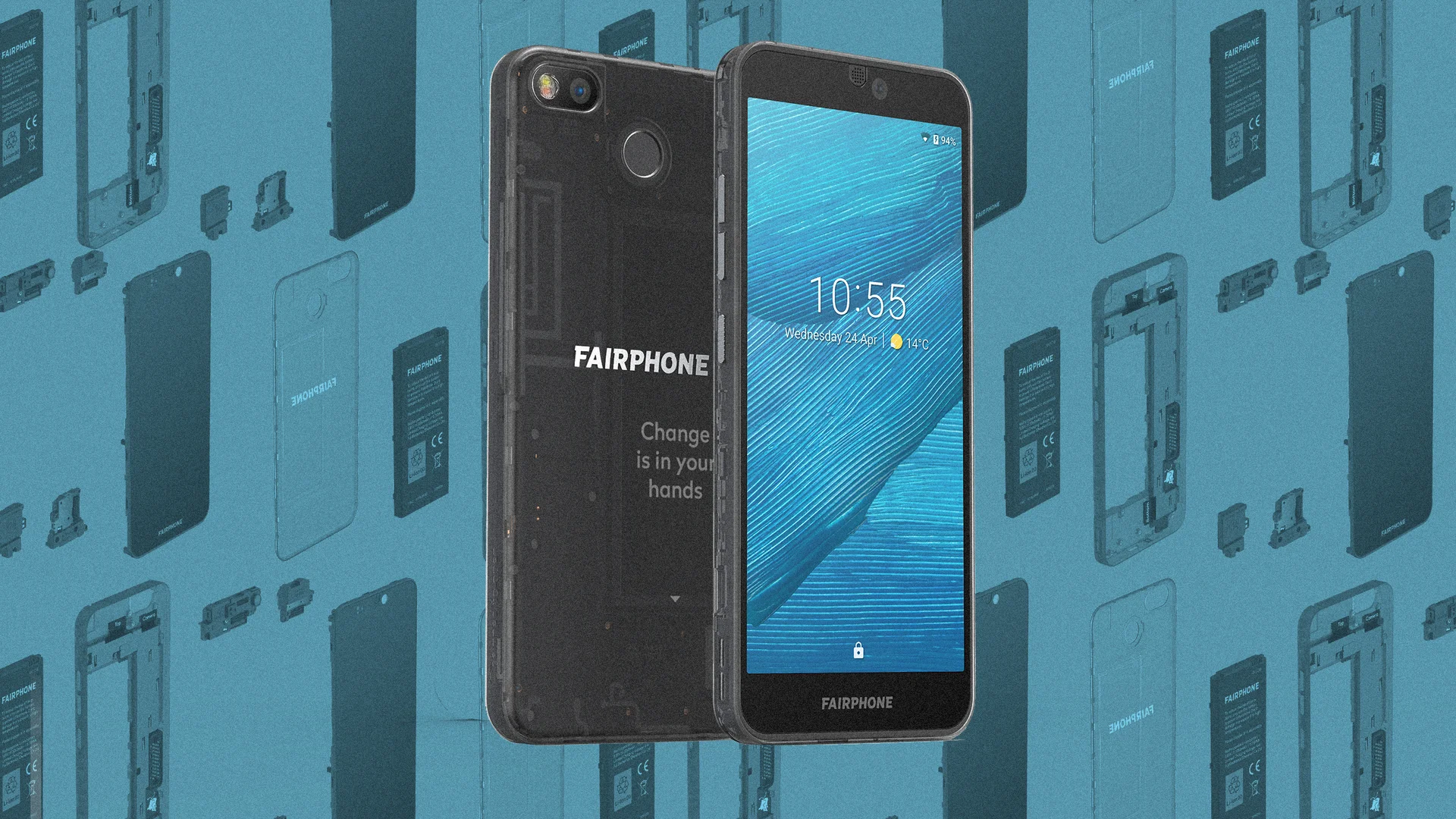
The core idea is simple: parts should come out. Batteries, screens, cameras, USB ports, and back covers should not require a heat gun, a prayer, and a repair bill that feels close to a new phone. Fairphone has pushed modular smartphone design as a practical answer to the “replace it” culture.
That matters because repair is not a slogan. It is a design decision made months before launch. Screws, labels, available spare parts, and clear guides all decide whether a broken phone becomes a weekend fix or e-waste.
Fairphone says its Fairphone 5 has ten swappable parts, a five-year warranty, at least eight years of support, and a 10 out of 10 iFixit repairability score. Its own impact page also says the Fairphone 4 offered up to eight replaceable parts and used 28% recycled materials. Those details show a pattern, not a one-off experiment.
Why fair sourcing is harder than marketing makes it sound
The phrase fair materials sourcing sounds neat. The work is messy. A phone contains materials from many places, and each one carries a different problem. Gold, tin, tungsten, cobalt, nickel, plastics, rare earths, and steel do not arrive with a clean moral label attached.
Fairphone’s method is to pick pressure points and improve them. That can mean recycled inputs. It can mean Fairtrade gold in the supply chain. It can mean cobalt credits tied to better conditions for miners. It can mean worker bonuses at factories.
The counterintuitive part is that a small company may sometimes show the path better than a giant one. It does not have the same purchasing power, but it can move with less fear of hurting a luxury image. Fairphone’s public impact page says it has paid US$1.25 million in living wage bonuses since 2019 and reports over 11,000 people experiencing fairer working conditions in 2025. The amounts do not remake the whole industry. They prove that phone pricing has room for better labor choices.
The US Market Is the Stress Test Fairphone Cannot Dodge
Europe gave Fairphone room to build its identity. The United States asks a different question: can this survive where carrier support, iMessage habits, financing plans, retail shelves, and camera hype shape the buying decision before ethics enters the room?
Carrier habits can make or break repairable phones
American buyers often say they want choice, then buy from the same three places. The carrier store, the Apple Store, or a big-box retailer. That hurts smaller phone brands before anyone compares specs.
Fairphone’s US path has improved, but it is still not friction-free. Murena lists the Fairphone Gen. 6 with /e/OS for US buyers and says it is recommended for T-Mobile and its MVNOs, while noting it is not compatible with Verizon. That matters because Verizon is not a niche network in America. A phone that cannot work well across major carriers starts the race with a limp.
There is another catch. The Murena version ships without Google apps or services pre-installed. Privacy-minded buyers may love that. Regular buyers may pause when banking apps, work tools, or family routines feel uncertain. Fairphone can be the better object and still lose the easier sale.
Price is not the only barrier
People often say ethical products fail because they cost more. That is only partly true. Price matters, but trust matters more. A $749.90 Murena Fairphone in the US is not competing only with another unlocked phone. It is competing with “free” carrier offers, trade-in credits, family plan discounts, and the comfort of buying what everyone else already understands.
This is where the repairable phone market faces a strange problem. The strongest savings come later. A replaceable battery feels valuable in year three, not on launch day. A long support promise matters when other phones slow down, not when the box is opened.
Fairphone has to sell future relief to buyers making a present decision. That is a hard sale in any category. It is brutal in phones, where people want certainty, apps, photos, and social proof on day one.
For anyone weighing long-term phone ownership, a right-to-repair phone guide can make the math easier before the checkout page does the thinking for you.
What Big Brands Could Copy Without Becoming Fairphone
The largest phone makers do not need to become Fairphone to learn from it. They could copy the useful parts and still keep their own identities. That may be the most realistic path. The future may not be a world full of Fairphones. It may be a world where Fairphone forces better behavior from companies with far larger reach.
The repair lesson is already spreading
Repairable design used to sound like a hobbyist demand. Now it feels more mainstream. Buyers keep phones longer. Regulators are paying attention. Parts programs are becoming easier to find. Software support windows are getting longer across several major brands.
Fairphone helped make that conversation harder to ignore. The company has shown that modular smartphone design can exist in a modern phone without turning the device into a thick science project. That does not mean every brand will copy its exact layout. It means they have fewer excuses.
The non-obvious lesson is that repair does not have to be the opposite of premium. A phone can feel good and still open with ordinary tools. The industry spent years training buyers to equate sealed bodies with quality. Fairphone pushes back and says quality should include the day something breaks.
Supply chains change when buyers ask sharper questions
Fairphone’s deeper challenge is not the screwdriver. It is the supply chain. Fair materials sourcing demands records, audits, supplier pressure, and patience. A company can announce recycled aluminum faster than it can improve labor conditions across multiple tiers of production.
Big brands can copy some steps faster than others. Recycled materials are easier to market. Longer software support is easier to explain. Living wage programs are harder because they raise questions about the whole cost structure. Once a company admits a better wage is possible, buyers may ask why it was not already standard.
That is why Fairphone’s biggest impact may be cultural. It gives shoppers better questions. Can I replace the battery? How long will updates last? Are spare parts sold openly? Are workers part of the sustainability story, or only the planet? Those questions do not require every buyer to choose Fairphone. They require every major brand to answer better.
Conclusion
Fairphone is not a magic fix for the phone industry. It is too small, too unusual, and too dependent on buyers who care enough to accept trade-offs. That sounds like a weakness, but it may be its role. The brand acts like a proof point. It shows that phones can be built for repair, longer use, better materials, and more honest labor choices without leaving the modern smartphone category.
The next step for ethical smartphone manufacturing is not purity. It is pressure. Fairphone needs wider carrier support, smoother US availability, stronger app confidence, and pricing that feels less lonely beside subsidized flagships. Big brands need to stop treating repair and worker welfare as side projects. Buyers need to reward devices that age well, not only devices that launch well.
The most useful question is not whether Fairphone can replace Apple or Samsung. It is whether Apple, Samsung, Google, and the rest can keep ignoring the repair bench, the mine, and the factory floor. Buy your next phone like you plan to keep it.
Frequently Asked Questions
Is Fairphone worth buying in the United States?
It can be worth buying if you value repair, privacy, and long-term ownership more than carrier perks or camera polish. US buyers should check network support first, especially if they use Verizon. The Murena version is a stronger fit for T-Mobile users.
What makes Fairphone different from other smartphones?
Its main difference is design intent. The phone is built so owners can replace key parts, keep it longer, and support better sourcing choices. Most phones compete on speed and cameras first. Fairphone puts repair and supply chain responsibility closer to the center.
Does Fairphone work with Google apps?
Some Fairphone models run standard Android, while Murena’s US version uses /e/OS and does not include Google apps or services pre-installed. That can help privacy-focused users, but app compatibility should be checked before buying.
How long can a Fairphone last?
A Fairphone can last many years if parts remain available and the user repairs it when needed. Battery swaps, screen replacements, and longer software support give it a better shot at long life than sealed phones with weak repair options.
Is a repairable phone better for the environment?
A repairable phone can reduce waste when it stays in use longer. The green benefit depends on actual behavior. If someone repairs the battery and keeps the device for extra years, the design matters. If they replace it early, the benefit shrinks.
Why are Fairphone devices more expensive than some midrange phones?
The price reflects smaller production volume, repair-focused design, sourcing work, longer support promises, and fairer labor programs. It is not priced like a mass carrier phone because it does not ride the same giant retail and subsidy system.
Can major phone brands copy Fairphone’s repair model?
They can copy parts of it, especially longer updates, clearer repair guides, and easier battery or screen replacement. The harder piece is changing business incentives. Brands profit when upgrades happen often, so repair-friendly design can fight their sales rhythm.
Who should avoid buying a Fairphone?
Buyers who need Verizon support, top-tier camera performance, full Google services out of the box, or carrier-store convenience may feel limited. Fairphone is best for people willing to trade some polish for repairability, privacy options, and longer ownership.